


A Marine-Derived bone graft substitute for trauma and orthopaedic use

What Is PearlBone™
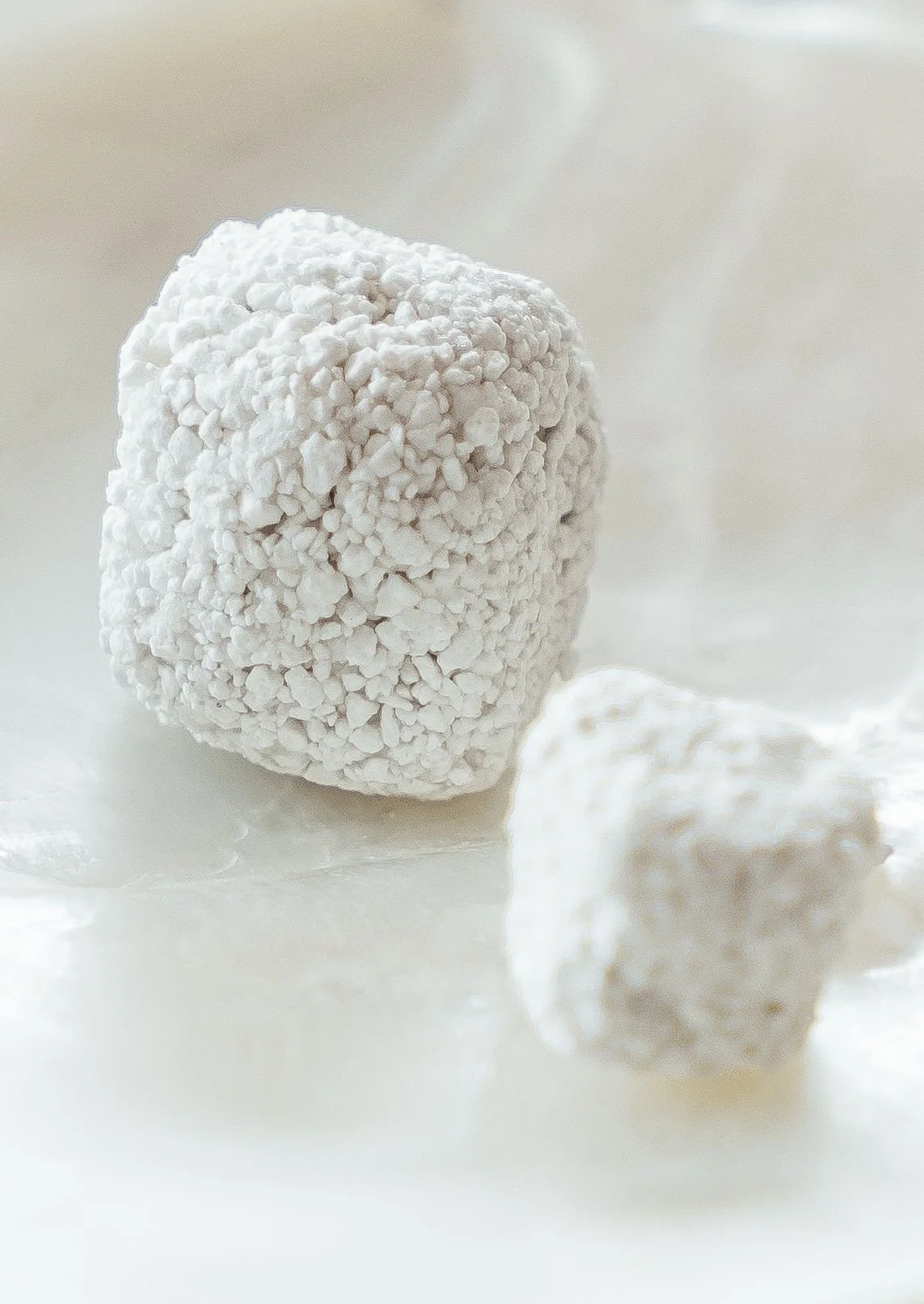
PearlBone™ is a marine-derived biomaterial developed from nacre — a natural mineral structure found in pearl shells. Its biomimetic composition includes calcium carbonate and naturally occurring trace elements associated with bone repair.
Designed as a biocompatible scaffold, PearlBone™ supports the body’s natural bone regeneration process.
How it Works
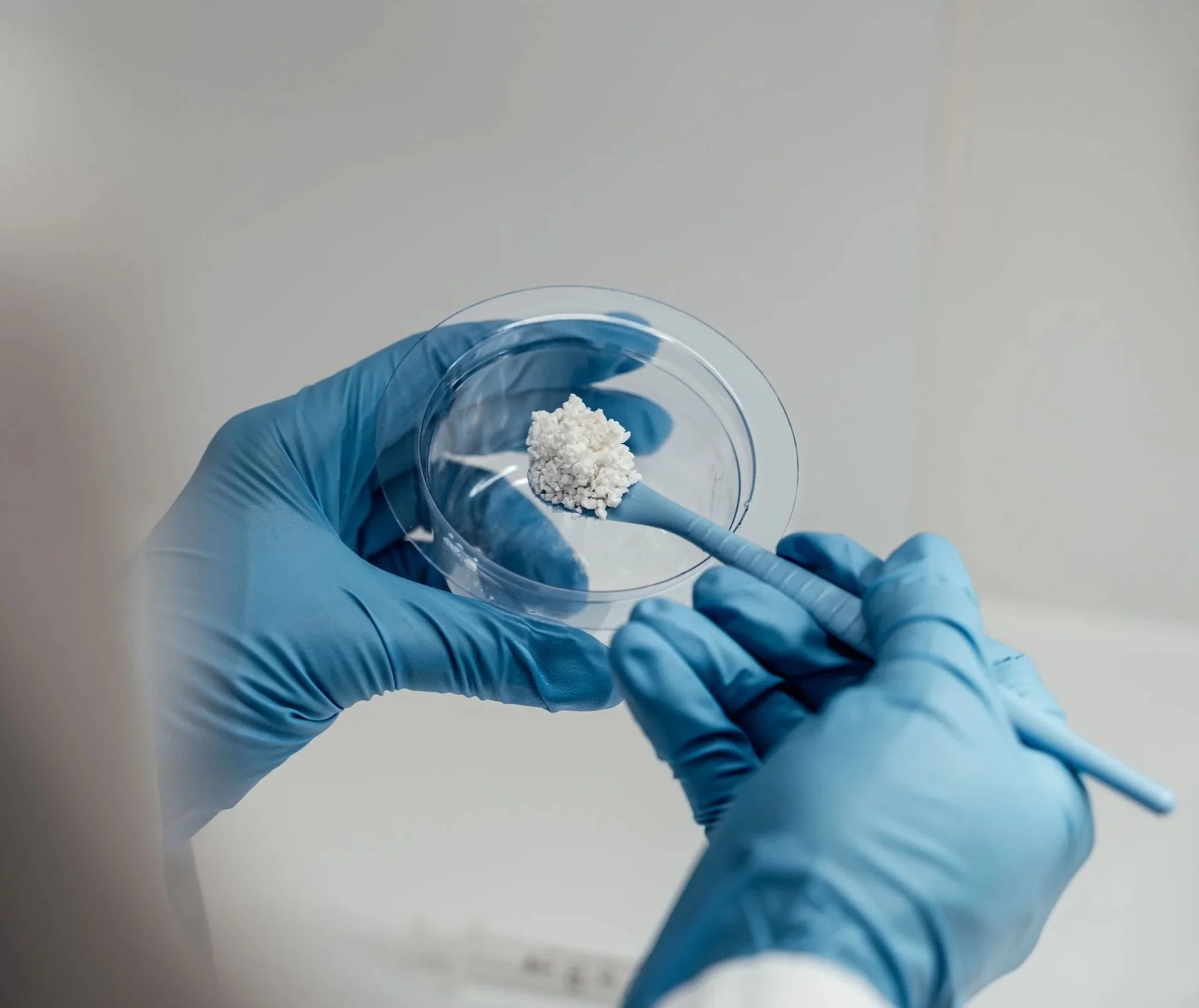
PearlBone™ Putty, our lead product, is a marine-derived calcium carbonate biomaterial developed from pearl oyster shell. It is engineered into a porous, biocompatible scaffold designed to fill bone voids and defects, support new bone formation, and integrate with the body’s natural bone matrix.
Over time, the material is gradually resorbed and replaced with new bone as part of the natural healing process.
Key Benefits
Biocompatible

Designed to integrate with bone and support the body’s natural healing response.
Sustainable

Developed from responsibly sourced marine biomaterials within a circular manufacturing process.
Scientifically Developed

Engineered through advanced biomaterials research and biomedical innovation.

Marine-Derived
Harnesses a naturally occurring mineral structure formed over geological time.
Why PearlBone™ Matters to Clinicians
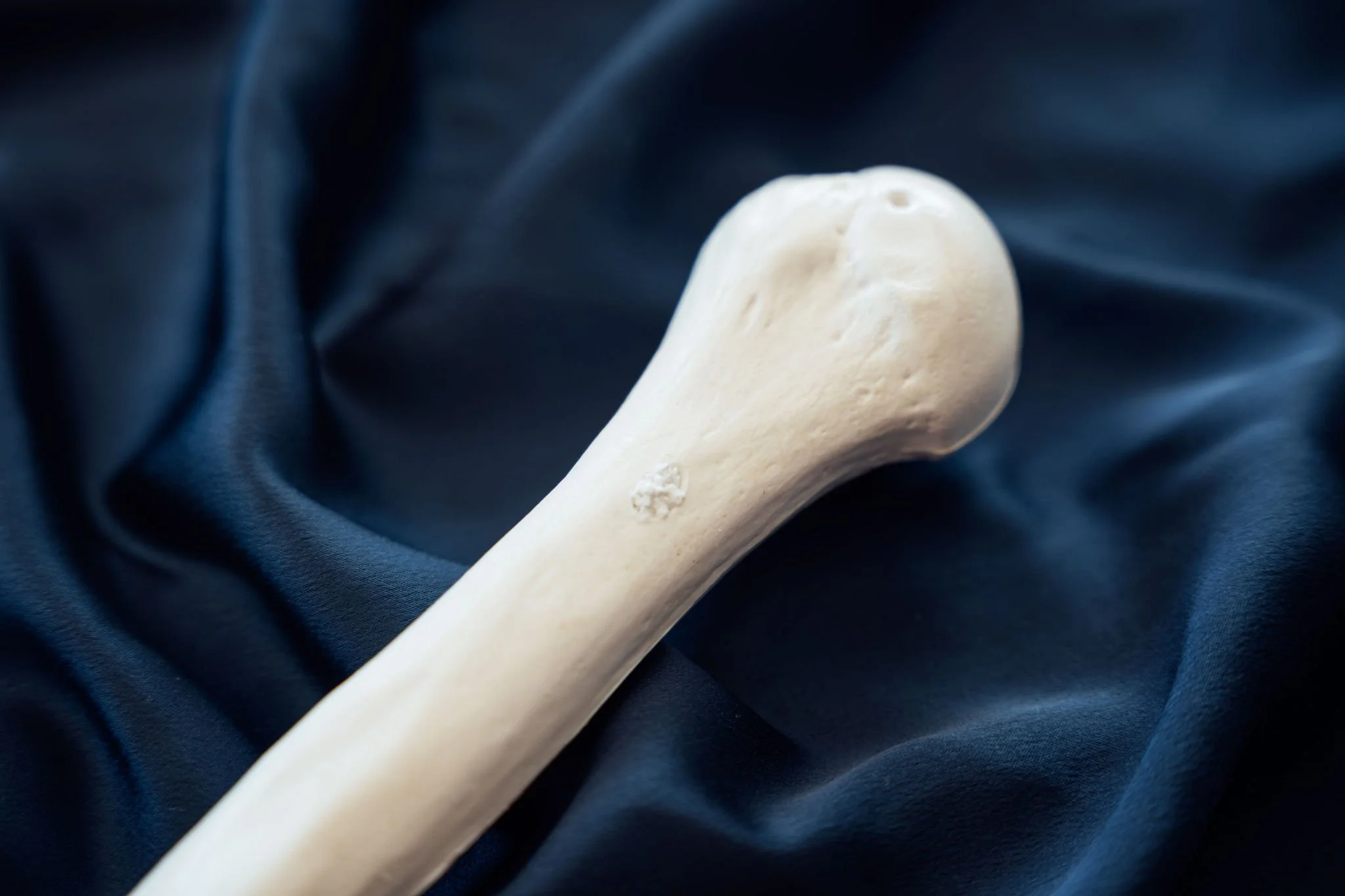
PearlBone™ offers a marine-derived alternative to traditional autograft, allograft, and synthetic bone substitute materials, designed to support natural bone healing and regeneration.
Indications
PearlBone™ Putty is a bone void filler designed to fill bony voids or gaps within the skeletal system. These defects may result from trauma, surgery, or other osseous conditions, provided the defect does not compromise the structural stability of the bone.
During the healing process, PearlBone™ Putty is gradually resorbed and replaced with new bone.

Science & Research
How PearlBone™ Integrates With Host Bone
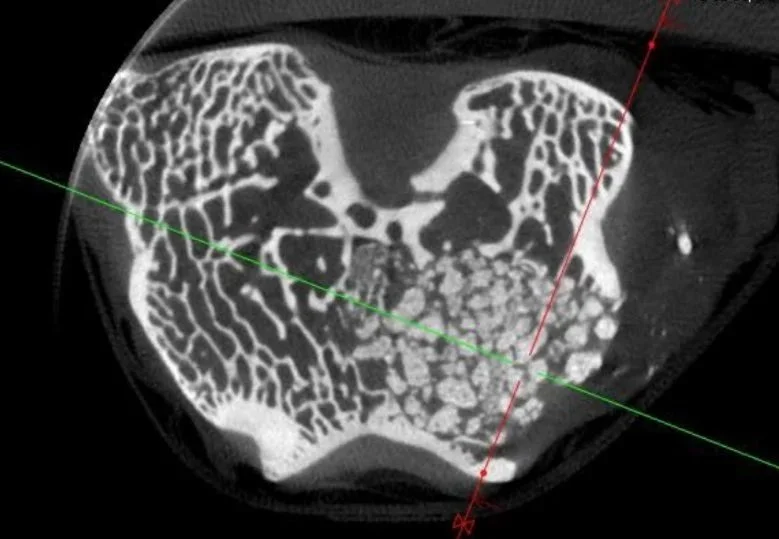
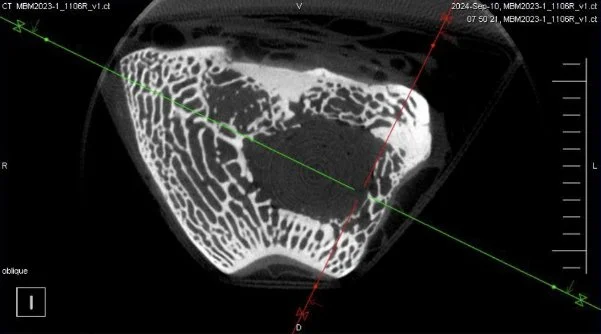
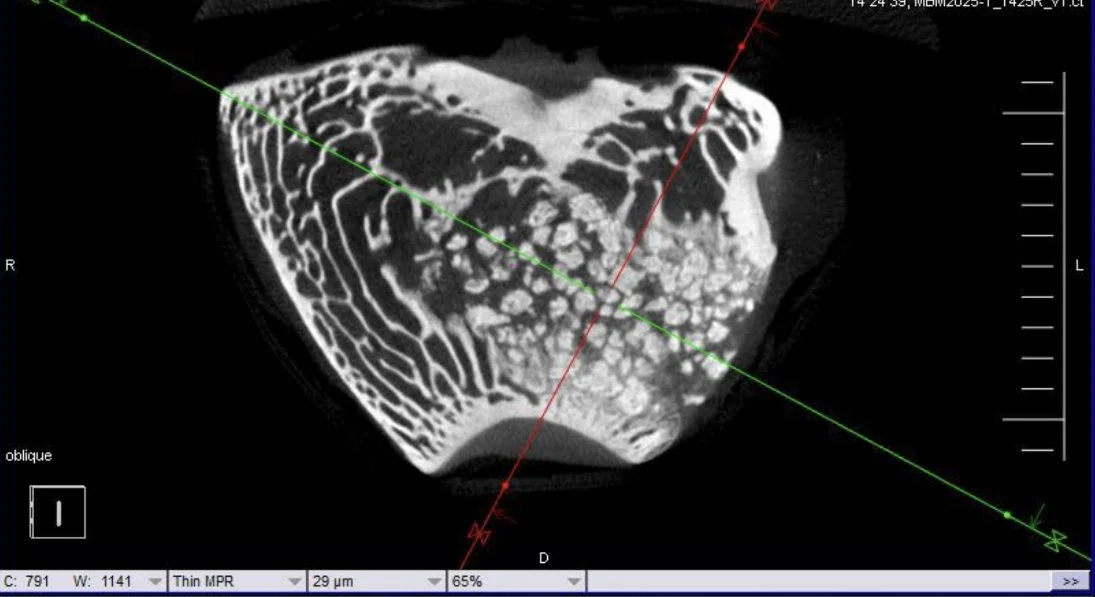
PearlBone™ is a marine-derived bone substitute designed to function as a biocompatible, osteoconductive scaffold. When placed within a bone defect, its porous structure supports cellular infiltration and new bone formation as part of the natural healing process.
The interconnected scaffold architecture facilitates the migration of bone-forming cells into the material, supporting integration with surrounding bone tissue during repair and regeneration.
Over time, PearlBone™ is gradually resorbed and replaced with newly formed bone.
PearlBone™ is placed within the bone defect
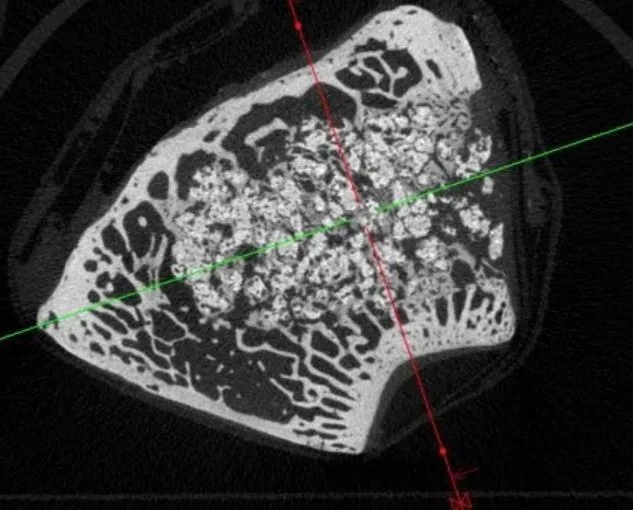
New bone begins to integrate with the PearlBone™ scaffold
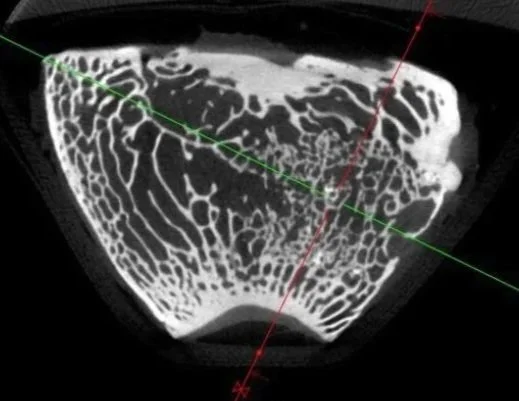
PearlBone™ is gradually resorbed and replaced by new bone
PearlBone™: Translating Research into Clinical Innovation
Before progressing toward clinical evaluation, PearlBone™ has undergone rigorous laboratory and preclinical testing to assess its safety, performance, and interaction with bone tissue. Marine Biomedical’s research program is focused on advancing a scientifically engineered biomaterial designed to support bone regeneration and integration within orthopaedic applications.
Through ongoing preclinical research and translational development, PearlBone™ is being advanced toward clinical use as a next-generation marine-derived bone substitute material.
Marine Biomedical Focus
PearlBone™ is developed through a sustainability-focused approach that emphasises responsible sourcing, careful processing, and advanced biomaterials engineering. Every stage is designed with consideration for both people and the environment.
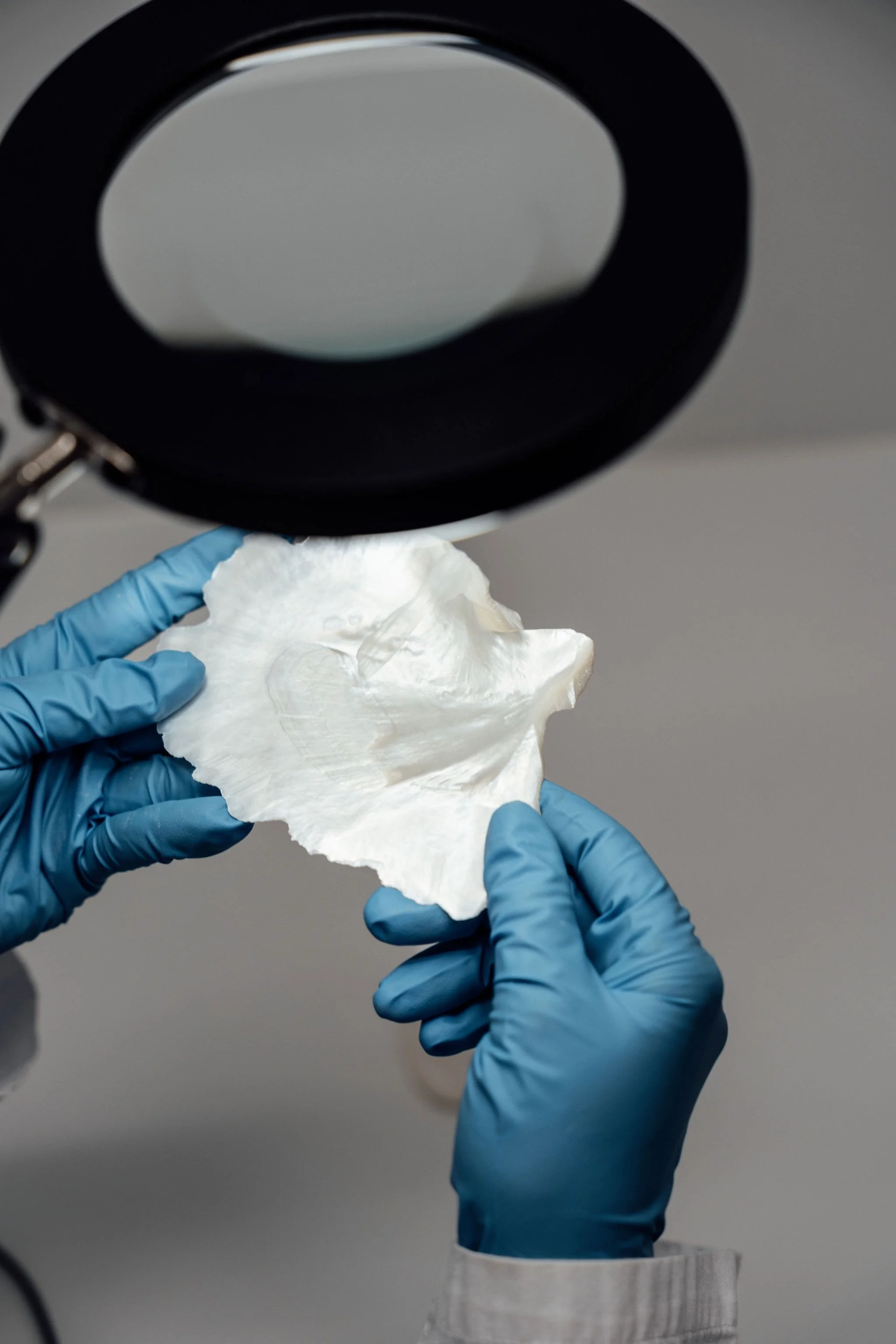
Responsibly Sourced Marine Material
Ethically sourced and fully traceable material originating from Western Australia.

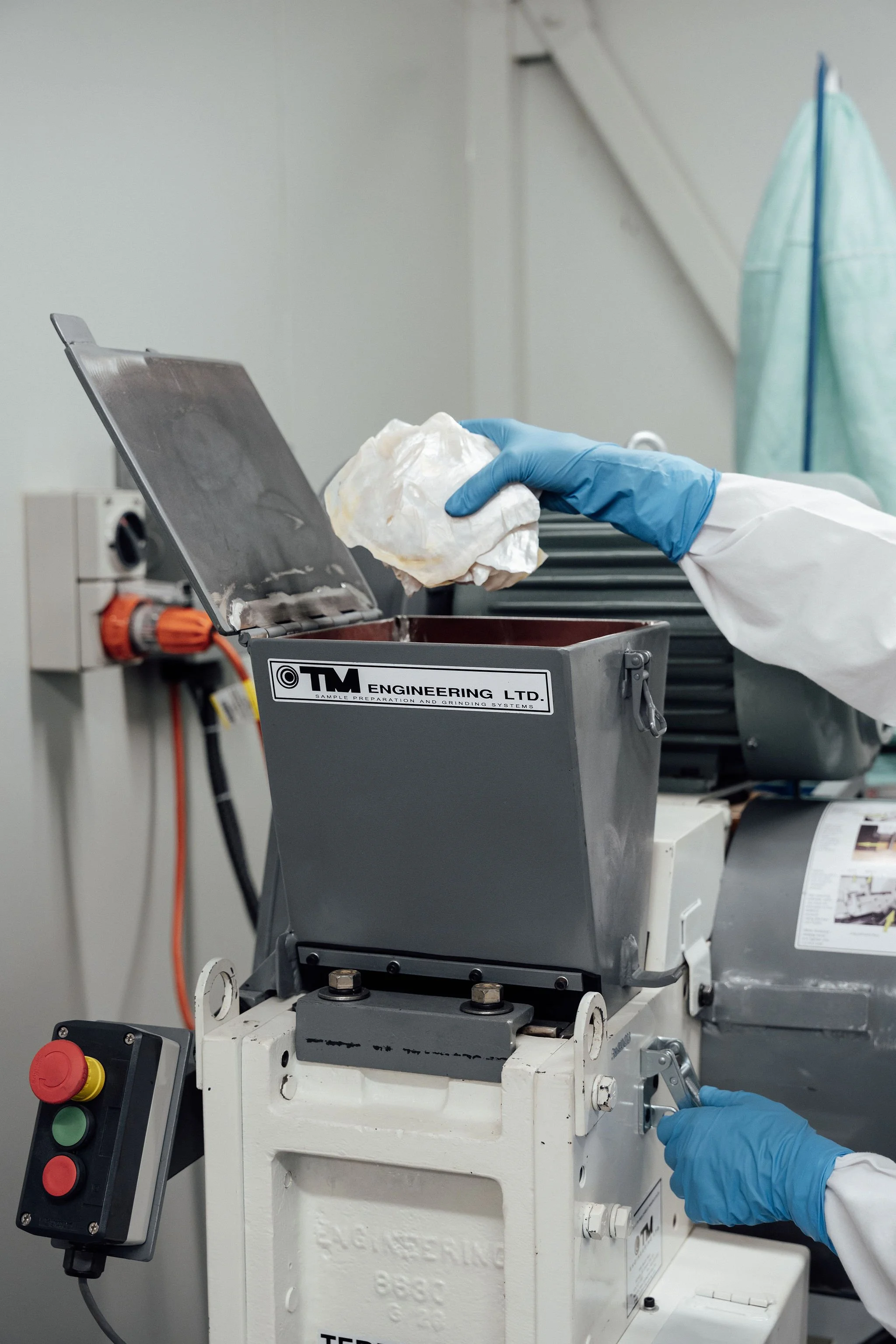
Biomedical Processing
Processed under controlled conditions to meet medical device quality standards.

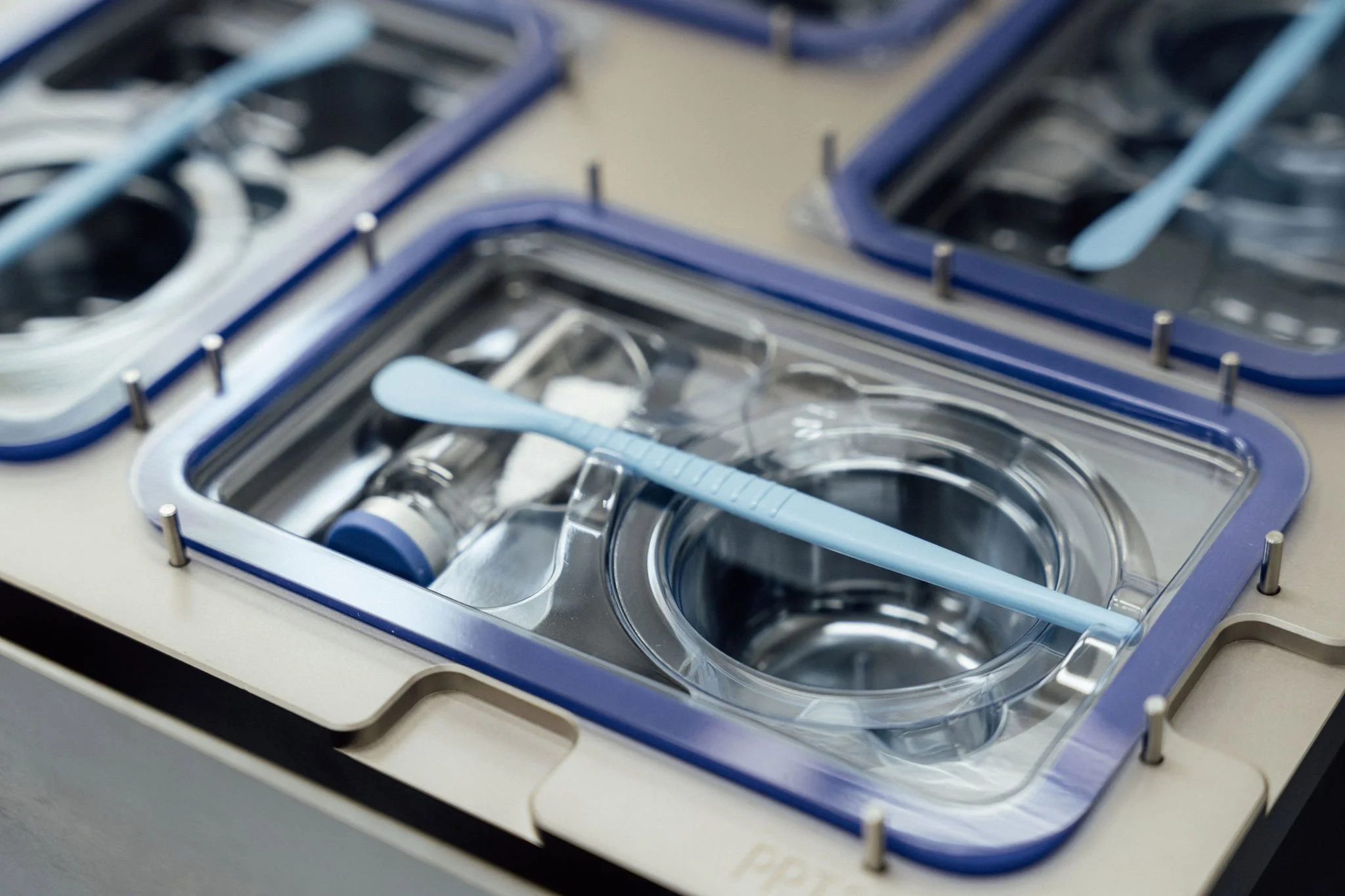
Medical Device Manufacturing
Manufactured under strict quality and safety systems.
Sustainable by Design
Responsibly sourced.
Advanced biomaterials processing.
Clinically focused innovation.
Regenerative Medical Application
Designed to support bone regeneration in orthopaedic applications.



Ethical Sourcing
PearlBone™ is developed using responsibly sourced marine biomaterials originating from Western Australia. Materials are carefully selected and fully traceable, supporting quality, consistency, and environmentally responsible practices.
Western Australian Partnerships
Marine Biomedical collaborates closely with partners across Western Australia to support regional expertise, responsible development practices, and high standards throughout product development and manufacturing.
Information for Patients
Our patient guide provides clear, accessible information about PearlBone™ - including what it is, how it works, and how it may be used in bone repair and regeneration.